What happened before A Lion's Head?
Before the humans came, the immortal realm was populated by a civilization of Asura demi-gods. These beings were highly disciplined, technologically advanced, and considered half-divine, half-sage by Indian scholars.

The Mythology
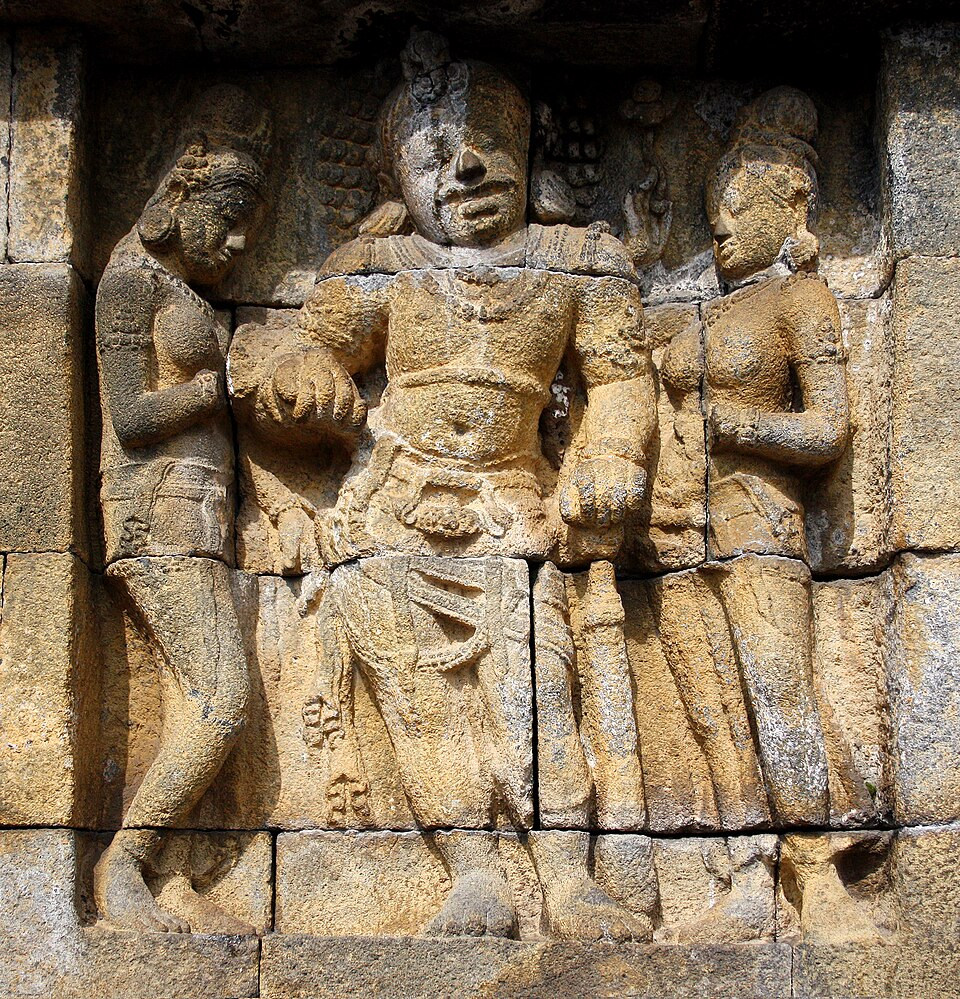
The Asura were luminous giants. Their skin never decayed and appeared as the colour of polished bronze, dark rain clouds, or molten gold. Obsessed with symmetric, geometric luxury, an asura warrior wore massive, heavy crown-pieces, thick gold armlets that bit into their dense muscle, and silk loincloths dyed in brilliant crimsons and ochres. They smelled of sandalwood paste mixed with the metallic tang of heavy armour.
Their terrifying nature came from an excess of intelligence. They were masters of logic, statecraft, and architecture. To get more power, they sat in perfect stillness for centuries, letting anthills build over their bodies, focusing their minds to a razor-sharp point to extort boons from the Greater God Brahma. Their willpower was absolute.
Asura believed the universe held resources that could be dominated through strength. They believed the Devas (Greater Gods) were weak, entitled hypocrites who hid behind rituals. Might made right, the soul conquered material reality.
For weapons, the Asura preferred massive, dense weapons that require supernatural strength, such as iron maces, heavy iron disks, and barbed spears.
Their cities were made of black stone, iron, and gold, arranged in strict, geometric patterns. There was no need for nature. Rivers were damned and forced into perfect stone channels, and mountains were carved into tiered palaces.
They could cast illusions over a battlefield. An Asura could make the sky appear to rain blood, create phantom armies out of shadows, or summon sudden, localized darkness to disorient the Greater Gods.
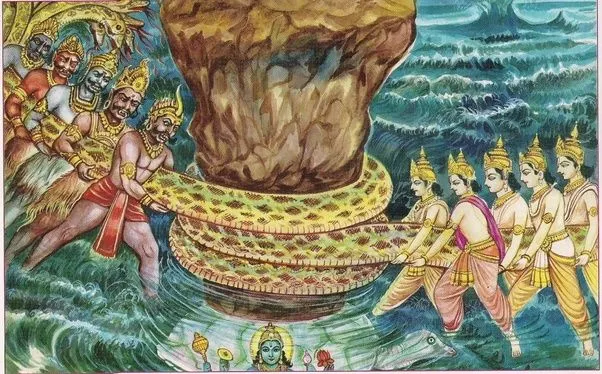
The Asura are often depicted at war with the Greater Gods. They are comparable to the Titans, Aesir, and Nordic Giants of Ancient Europe battling to defeat the Old Gods. In truth, they are possibly the older gods that were replaced by newer gods.
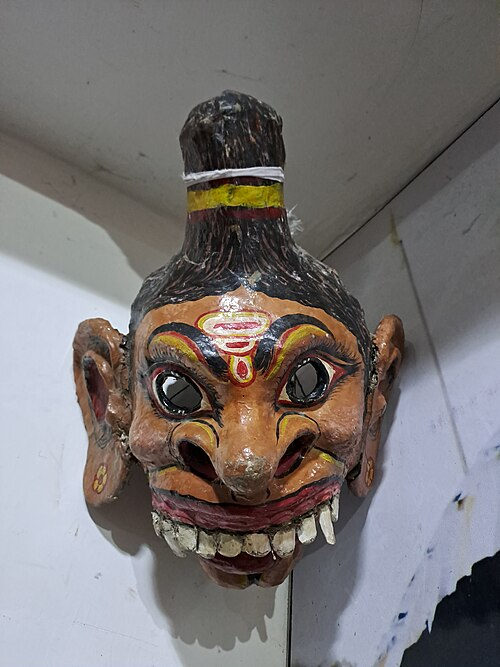
The myth of the brothers Hiranyaksha ("Golden-Eyed") and Hiranyakashipu ("Clothed in Gold") is one of the foundational cosmic cycles in Hindu cosmology, establishing the necessity of Vishnu’s third and fourth avatars (Varaha and Narasimha).
The brothers were originally Jaya and Vijaya, the gatekeepers of Vishnu’s celestial abode, Vaikuntha. Cursed by the four Kumaras (mind-born sons of Brahma) for denying them entry, they choose to be born as demons (Daityas) for three lifetimes as Vishnu's enemies, rather than seven lifetimes as his devotees, just to return home sooner.
They are born to Diti (mother of the Daityas) and the sage Kashyapa. Their birth is accompanied by cosmic omens—earthquakes, solar eclipses, and weeping idols.
Both brothers perform intense austerities (tapas) to please Brahma, gaining near-immortality through highly specific cosmic loopholes.
Hiranyaksha becomes unassailable. He assaults the heavens, defeats the Vedic gods, and assaults Varuna (the god of the oceans). In a bid to destabilize reality, Hiranyaksha kidnaps Bhudevi (the Earth Goddess) and drags her to the bottom of the cosmic ocean (Garbhodaka). Earth is suffocating. Brahma sneezes, and from his nostril emerges a tiny boar that rapidly grows to the size of a mountain. This is Varaha, Vishnu’s boar avatar. Varaha dives into the cosmic depths, hoists Bhudevi onto his tusks, and confronts Hiranyaksha. After a colossal duel, Varaha slays the demon, restores Earth to its orbit, and marries Bhudevi.
Devastated by his brother's death, Hiranyakashipu vows to destroy Vishnu. He performs grueling meditation to extort a specific boon from Brahma.
He asks that he cannot be killed:
By any man or animal.
Neither indoors nor outdoors.
Neither during the day nor at night.
Neither on earth nor in space.
By any weapon (living or inanimate).
Believing himself a god, he outlaws the worship of Vishnu across the realms, demanding all prayers be directed to him.
While Hiranyakashipu is away, his pregnant wife Kayadhu stays at the hermitage of Sage Narada. The unborn child, Prahlada, hears Narada singing praises of Vishnu and becomes an enlightened devotee in the womb.
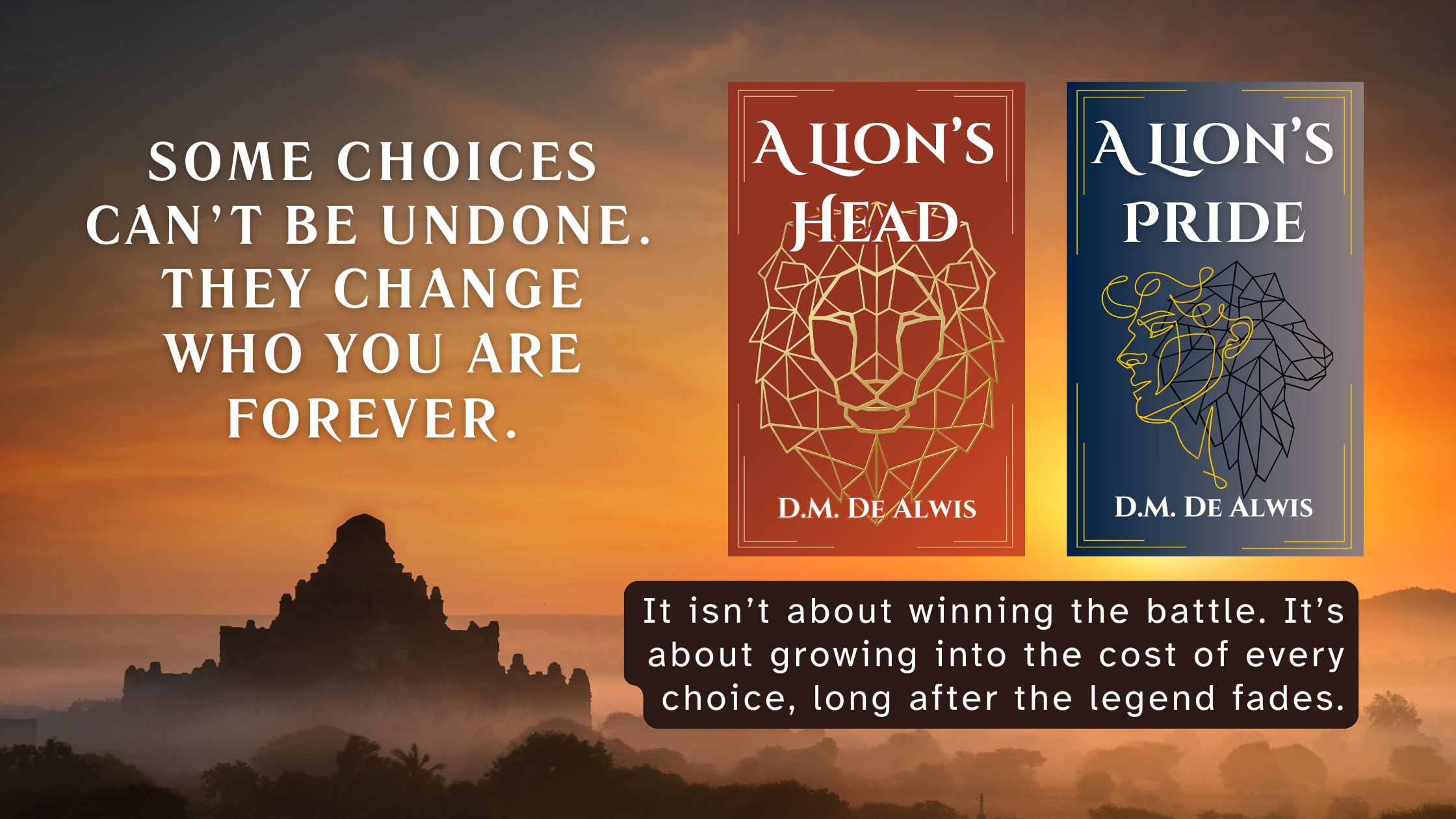
The Pawn of Samsara Duology
A king is hell-bent on destroying the universe. Isha's pact with the tyrant grants his people safe passage home. But everything goes wrong for him when the gods unleash their champion.
The Fiction
Everything above has been extracted from Hindu mythology. Where A LION'S HEAD by D.M. De Alwis introduces fantasy storytelling is in the introduction of humans and their mortal-summoned earth-based gods Isha and Chala to the story.
Subscribe to my newsletter to continue reading; it's free.
Not ready to take the plunge? Try it before you buy it—subscribe to my newsletter and receive the free ePub, A Water Horse, discussed below.